Thank you!
More to come—we’ll be in touch shortly.
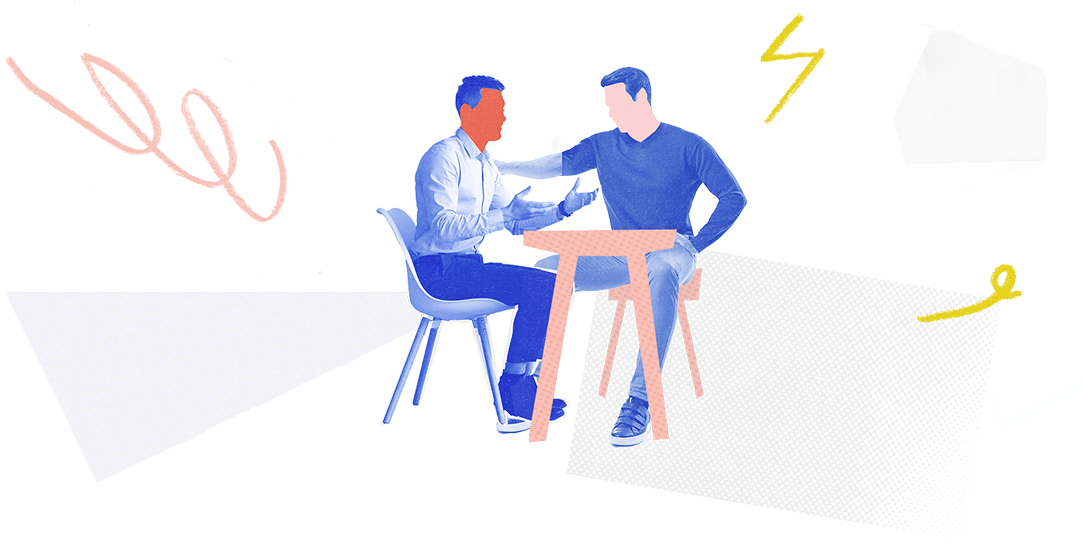
The highs, the lows, the chaos and curveballs—we’re here for all of it. Your experience could help someone else—or even just help them feel a little more understood. Here, we call those WTC@H?! moments.
Whether it made you laugh, cry, or scream into a pillow, we want to hear about it—share your WTC@H?! moment below!
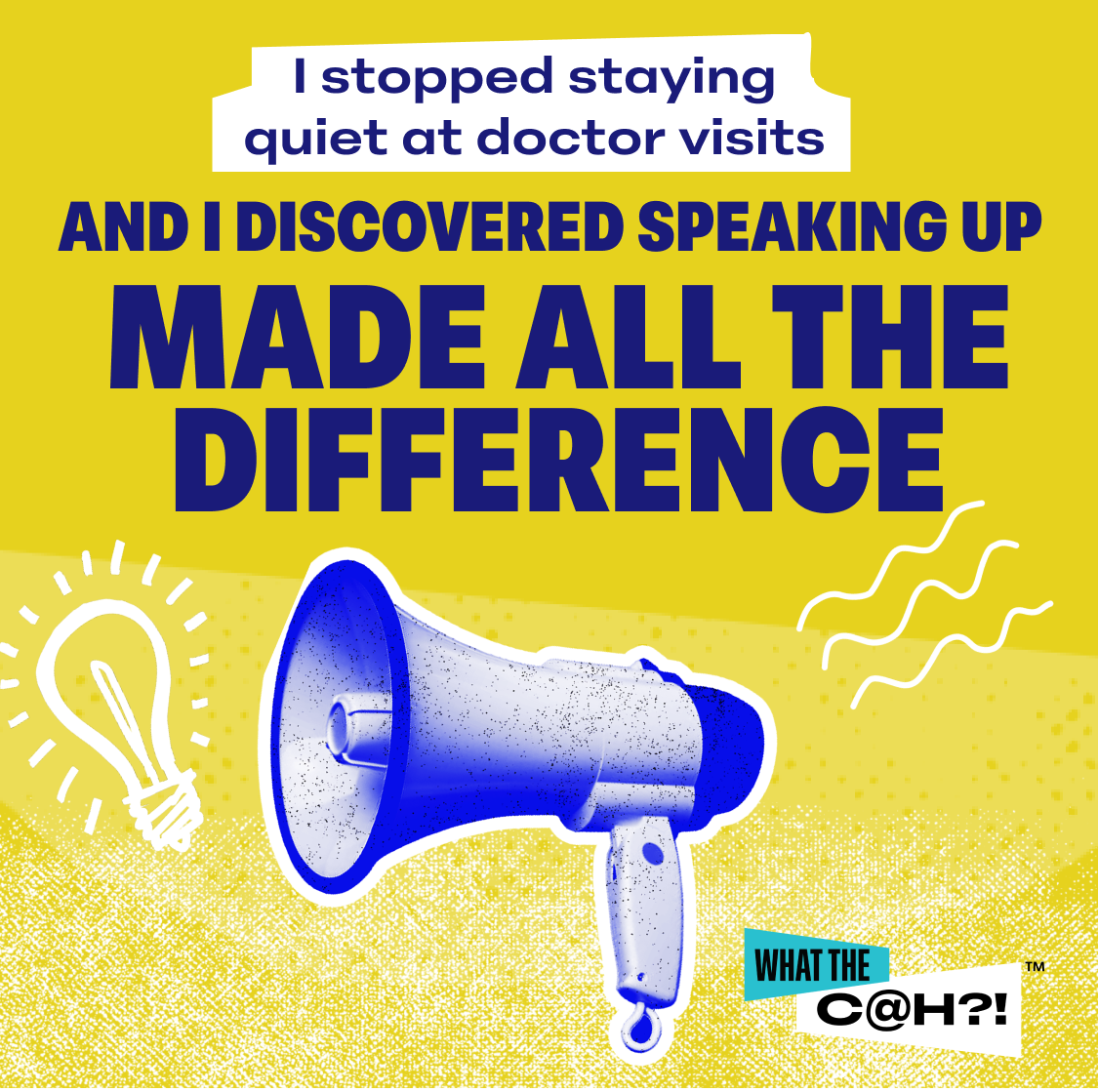
Living with Classic CAH has taught me the importance of communication and self-advocacy in healthcare. I’ve taken medication my entire life, and I’ve learned that being honest with your doctor can make a huge difference. Doctors understand medicine, but only you know how it affects your body. When my treatment left me exhausted and gaining weight, I spoke up, and my doctor adjusted my dosage and timing—changing everything for the better. Always share with your doctor what you need.
“I want to help other kids be like, ‘I know what I’m feeling. I know what I need. I’ll be fine.’”
Living with Classic CAH has taught me the importance of communication and self-advocacy in healthcare. I’ve taken medication my entire life, and I’ve learned that being honest with your doctor can make a huge difference. Doctors understand medicine, but only you know how it affects your body. When my treatment left me exhausted and gaining weight, I spoke up, and my doctor adjusted my dosage and timing—changing everything for the better. Always share with your doctor what you need.
When my son’s newborn screening showed CAH, I was terrified. I almost skipped his newborn photos, but my family encouraged me—and I’m so glad they did. That day, I chose acceptance and hope. Now my baby is 10, thriving, joyful, and perfect. Our story began in fear, but it became the beginning of a story I wouldn’t change for the world.
When I was growing up, I was very active. I earned my black belt in Taekwondo, played soccer, and was active in scouts. I loved doing so many things, but it was honestly a lot. There would be times when I would go so hard into these things that I would honestly stop taking care of my health, and that was really dangerous with my CAH. I learned the hard way that it’s okay sometimes to take a break and rest when you need it. Because if you don’t, you may push yourself too hard, and that can hurt you.
For a long time, I felt that having congenital adrenal hyperplasia (CAH) meant I would always feel unhealthy. It took a while for me to truly understand that my condition does not define me. There are other ways I can take ownership of my life and feel better about myself. I started working out more and incorporating healthy food into my everyday life, and that’s given me a sense of control and allowed me to feel physically and mentally stronger.
I was so overwhelmed with having congenital adrenal hyperplasia (CAH) that it was hard to find any stability in my life. But when I started writing down how I felt each day and was honest with my doctor during checkups, it took some of the pressure off. I’ve been able to focus more on the small, everyday things that help me stay positive, like gardening and spending time with my pets. I’ve learned that I don’t have to let CAH get in the way of experiencing joy each day.
It was really daunting to find an endocrinologist who specialized in congenital adrenal hyperplasia (CAH). I heard that using the CARES Foundation as a resource might be helpful in my search. When I connected with them, I immediately felt like I was part of a community that understood what I was going through. I was able to find resources that allowed me to reach out to others, and that led me to a doctor who is a great fit for what I need in managing CAH.
I knew that understanding congenital adrenal hyperplasia (CAH) couldn’t be solved overnight. But putting the right pieces in place made a huge difference, like surrounding myself with the right care team. My doctor and support network understand what I’m going through and are responsive to my needs and priorities. That means I have people who are there for me when my CAH feels hard to manage and fit into my life.
It’s been frustrating trying to balance how my symptoms make me feel. Sometimes, it seems like I can’t find a middle ground that allows me to feel fully normal. But when I started keeping track of my symptoms more carefully and communicating them, my doctor was able to respond more effectively to my needs and priorities.
I was so intimidated when I realized that my son would outgrow his childhood care team and need to transition to another doctor. Starting over felt insurmountable after we had been through so much together. We began to make the move, looping him into conversations about congenital adrenal hyperplasia (CAH) and keeping a journal of medical records and notes with all the background our new doctor would need. When the time came, we were able to communicate our priorities and goals for treatment, and it helped make the transition so much smoother than I expected.
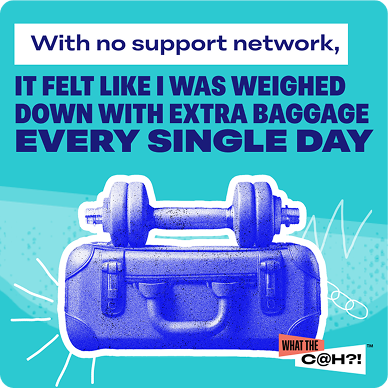
I was able to get a handle on how my congenital adrenal hyperplasia (CAH) made me feel physically. But I still struggled with how it affected me mentally, including feeling anxious, depressed, or stressed. I realized I couldn't do it alone and gave myself permission to share those feelings with others—my friends, family, and mental health professionals. Once I did that, I started to finally feel that weight being lifted off my shoulders.

Sign up for emails and get helpful tools and resources, real stories, and insightful tips for navigating life with CAH—straight to your inbox.
Thank you!
More to come—we’ll be in touch shortly.
