Thank you!
More to come—we’ll be in touch shortly.

You may know how CAH makes you feel, but you might be less familiar with why it makes you feel that way.
Watch the video to get a clearer picture of what's happening in your body.
Length: 03:13
Why Don’t I Feel Good? What the C@H?!
[Narrator VO]
Why don’t I feel good? What the CAH?
[Adult VO 1 - male, 25-40]
Sometimes I just feel off and can’t really explain it.
[Youth VO - female, 11-17]
Yeah…or I feel exhausted at the wrong time.
[Adult VO 2 - female, 25-40]
It’s the acne for me. I thought I outgrew this!
[Narrator VO]
People with CAH, and those who care for them, may know the signs and symptoms. But what’s happening inside the body can be less clear.
Let’s take a closer look.
[Narrator VO]
Two of the key hormones affected by CAH are:
cortisol, which helps regulate stress responses and metabolism...
and androgens, which regulate growth and reproduction.
A third key hormone, aldosterone, also can be affected—but for now, let's focus on cortisol and androgens.
[Narrator VO]
For people with CAH, organs in your body called the adrenal glands don’t produce enough cortisol.
So, a cortisol deficiency occurs—in other words, there’s not enough of it being made.
In response, the brain keeps sending signals to produce more.
However, the same system that makes cortisol makes androgens as well. So it keeps signaling to produce cortisol, but androgens get made, which results in excess androgens.
This causes a range of CAH signs and symptoms. Some can be difficult to detect without lab tests, but others are more visible, such as acne and early puberty.
So, people with CAH need to be treated for both cortisol deficiency and androgen overproduction.
[Narrator VO]
That’s where steroids come in. Steroids are taken every day to replace cortisol. But sometimes a person’s regular steroid dose is not enough. When the body is stressed it needs more cortisol.
[Adult VO 1 - male, 25-40]
That explains why I need an extra dose sometimes, like when I have a cold.
[Narrator VO]
Exactly.
It’s also important to know that steroids have another purpose, too. When used at higher doses, they can help reduce androgen overproduction.
But even with high doses of steroids, androgens may often still be too high in people with CAH. Plus, high doses of steroids can come with increased risks of weight gain, diabetes, high blood pressure, and other side effects that can affect people with CAH starting in childhood. Bone density loss can also affect people with CAH as early as their 20s and 30s.
[Adult VO 2 - female, 25-40]
Is there something I can do to better manage my androgen levels?
[Narrator VO]
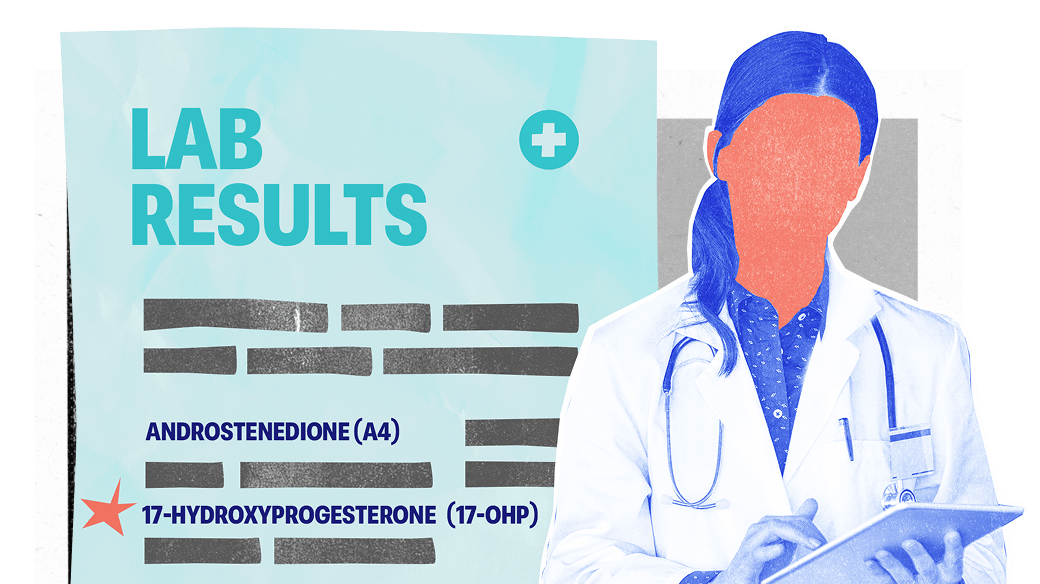
Understanding your lab results is key. Your endocrinologist will typically monitor the androgen markers androstenedione, or A4, and 17-hydroxyprogesterone, or 17-OHP.
You'll especially want to consult with your doctor and ask about your labs if you're noticing signs of androgen excess, like acne or increased hair growth.
As your symptoms and side effects change throughout your life, so may your treatment priorities. Your doctor might adjust your steroid dose over time to balance the risk of side effects with the symptoms of excess androgens.
[Adult VO 2 - female, 25-40]
Now that you mention it, my doctor has said she considers both what I’m experiencing and what my labs say.
[Narrator VO]
So at your next appointment, be sure to tell your doctor about how you’ve been feeling since your last visit, and if your goals for your treatment have changed at all. It could make a big difference in how you and your doctor manage CAH.
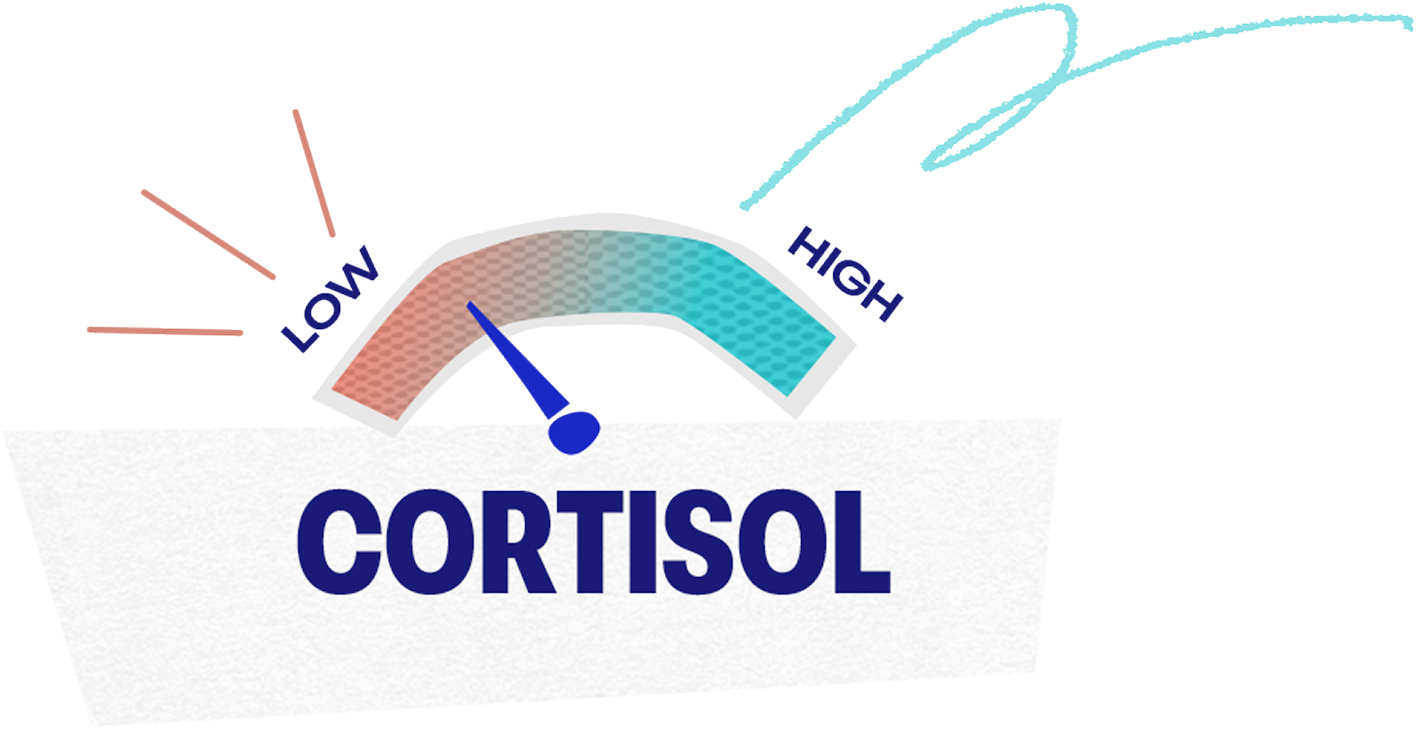
When cortisol levels are too low, it can lead to symptoms that may become life-threatening if not treated.
Low cortisol can lead to adrenal crisis. Symptoms include:
Too little cortisol is one piece of the puzzle, though—keep reading to learn about another important part of CAH: excess ACTH and androgens.
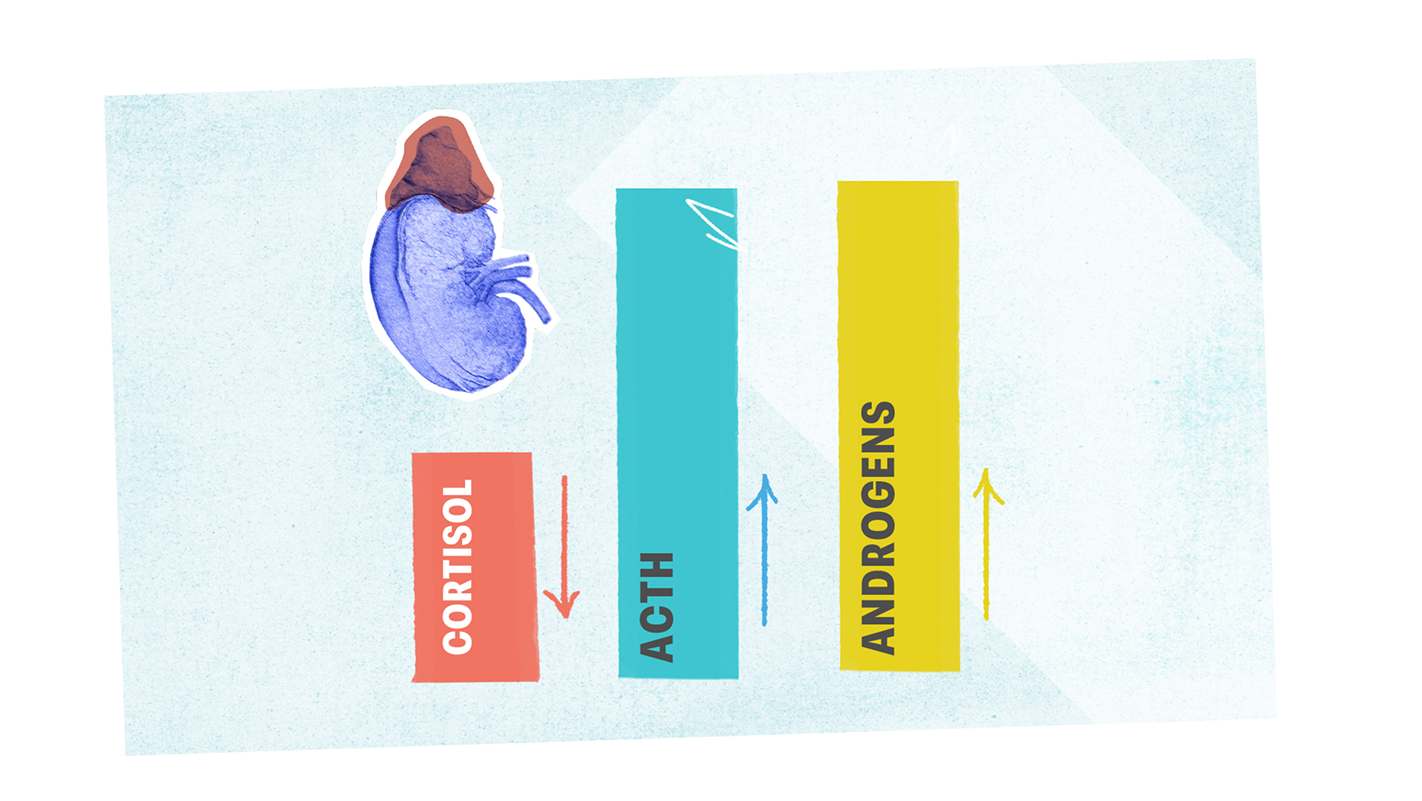
Not feeling like yourself? You're not alone. In CAH, too much ACTH and too many androgens can cause a wide range of symptoms—from acne and irregular periods to changes in growth and fertility. Let's take a closer look at what's going on.
Adrenocorticotropic hormone (ACTH) is a hormone sent out when your body senses it needs more cortisol. For people with CAH, more ACTH means more androgens are made.
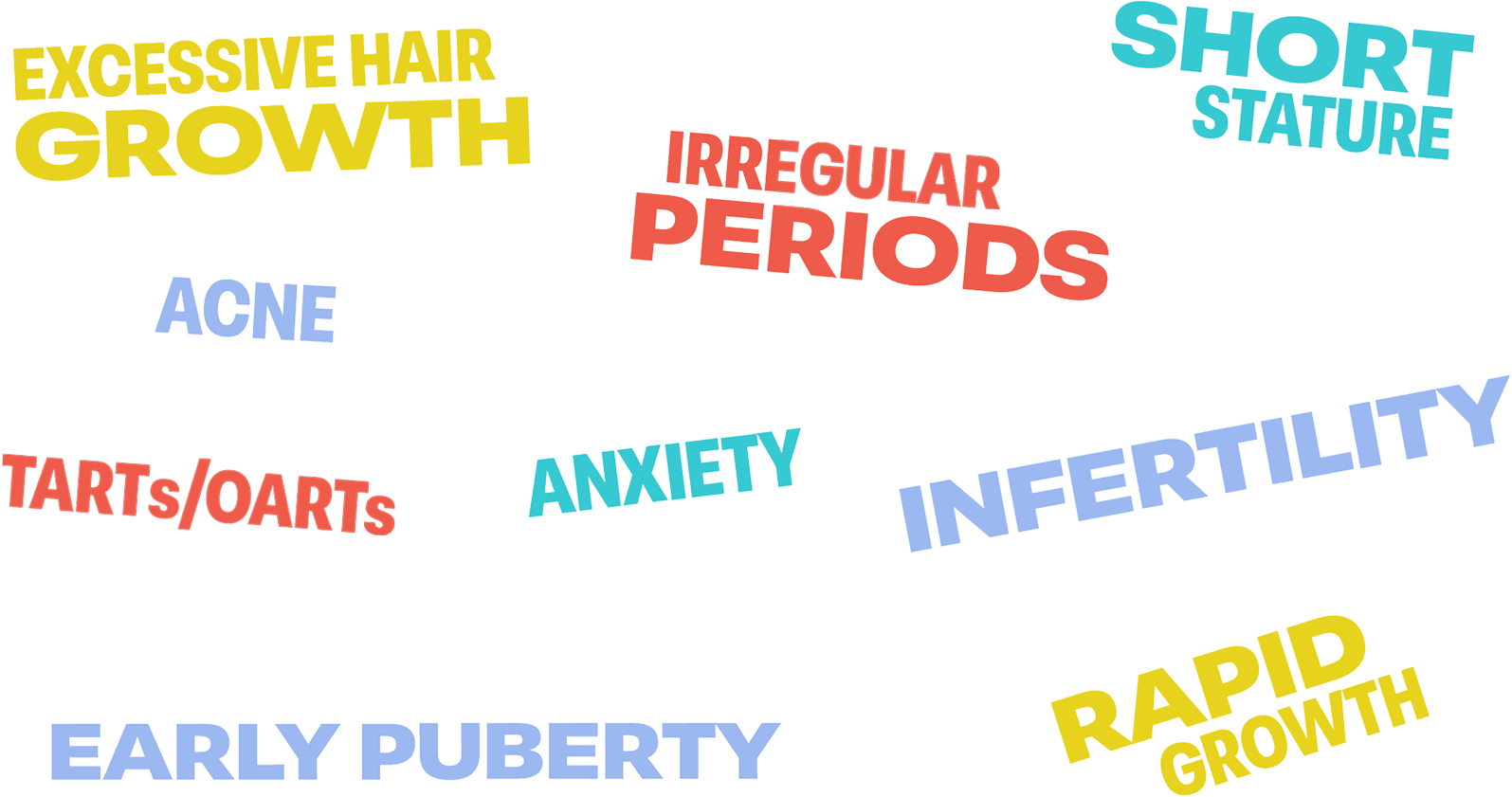
Females with CAH—both children and adults—commonly report excess hair growth. While not physically harmful, it can be distressing and affect mental health.
Acne is common among people with CAH of all ages. Studies show it affects 38% of children under 18 years and 21% of adults. Though acne is not dangerous, it can impact self-esteem and mental health.
Excess androgens are linked to anxiety at all ages. Regular screenings are encouraged. The Endocrine Society encourages not waiting to get mental health care if you're feeling off—it's better to reach out early than wait too long.
Adrenal rest tumors can affect fertility.
Males: About 50% develop testicular adrenal rest tumors (TARTs). They are often underdiagnosed, so regular ultrasound screening starting in adolescence is recommended. Your care team can help decide what’s right for you
Females: Ovarian adrenal rest tumors (OARTs) are less common but can occur at any age. Consider bringing this up with your endocrinologist as part of long-term care planning
About 45% of teen girls and premenopausal women with CAH experience irregular or absent periods. When androgens are well managed, menstrual cycles may become more regular.
“Once I started working and was traveling quite a bit… adding another variable like not knowing when my period would come was just very annoying.”
Women: Elevated androgens and progesterone (another reproductive hormone that can be high when CAH is not well managed) can make it more difficult to get pregnant. Good hormonal control (eg, levels within target ranges) may improve the chances of conceiving
Men: Fertility may be affected by TARTs or elevated androgen levels. Regular ultrasound screening and reduction of TARTs as soon as possible could help preserve fertility
Children with CAH may grow faster than peers early on due to excess androgens. However, this can lead to early closure of growth plates, resulting in shorter adult height—on average 4 inches below genetic potential. Although this doesn't affect physical health, it may impact self-image and mental health.
Short stature may be both a symptom of excess androgens and a side effect of high-dose steroids, which are sometimes used to manage the excess androgens.
Excess androgens can cause early puberty in boys and girls, resulting in premature physical development. This can increase the risk of depression and social challenges that may come with feeling "different" from peers.
The steroids that are used to manage CAH can cause side effects that can be confused with CAH symptoms.
“I just feel like I don't know if some of the things are or aren't tied to CAH, and that's kind of what's frustrating.”

In addition to checking your symptoms, your doctor uses regular lab tests to help manage your CAH and understand whether your androgen levels are elevated.
Serum androstenedione (A4)
A4 is an androgen and an ingredient the body uses to make different androgens. It is an indicator of androgen control.
Serum 17-hydroxyprogesterone (17-OHP)
17-OHP, together with A4, is an indirect measure of how well androgen levels are managed.
A4 and 17-OHP are 2 important levels your doctor may check through bloodwork, but they're just part of the picture.
Your doctor is likely ordering several additional labs—and considering many factors—when deciding if your treatment plan is the right fit.
Your labs say a lot—talking with your doctor about your target lab ranges and sharing how you are feeling can help you understand how your current treatment is working. If it's not working well, you and your doctor can discuss changes that may help achieve your treatment goals.
Download the Know Your Labs resource to learn more about different labs and why they matter.

Sign up for emails and get helpful tools and resources, real stories, and insightful tips for navigating life with CAH—straight to your inbox.
Thank you!
More to come—we’ll be in touch shortly.
